


The World Is Moving Towards Affordable Chinese MEVs Due To Increasing Preferences For Budget Combined With Assisting Technology And High Fuel Economy All Wrapped Up In A Package Of Sustainability. Meanwhile Japanese Domestic Market Suffers.
In the recent years particularly between 2024 and 2026, Chinese MEVs have taken over the world. They have outcompeted Tesla in their own territory in the US, stopped Porsche from competing in China, all while making sure that it delivers reliable quality with comparatively lower costs.
Take Tesla’s Model 3 for example. While producing high performance of up to 460 hp, it weighs almost 2 tons. That unnecessary weight plus the overpriced nature of Tesla and its lack of reliability makes the brand inefficient. China capitalizes and many companies such as Xiaomi have outcompeted Tesla in terms of performance and reliability all while being considerably priced lower compared to Tesla.

Thus, it makes sense that the emerging Chinese MEV market would also beat JDMs, American Muscle as well as European exotics as well that traditionally rely on fossil fuels.
However for the Japanese Domestic Market, there is still time to regain that greatness and compete against China’s ever-growing MEVs.
Japanese Domestic Market fails to understand that it too flourished under the same principles. In the 70s and 80s, the Japanese Domestic Market began growing rapidly due to introduction of faster, nimbler and smaller cars that offered technology, grip, speed as well as low cost to the world. As a result, it successfully competed with the United States’ muscle cars.
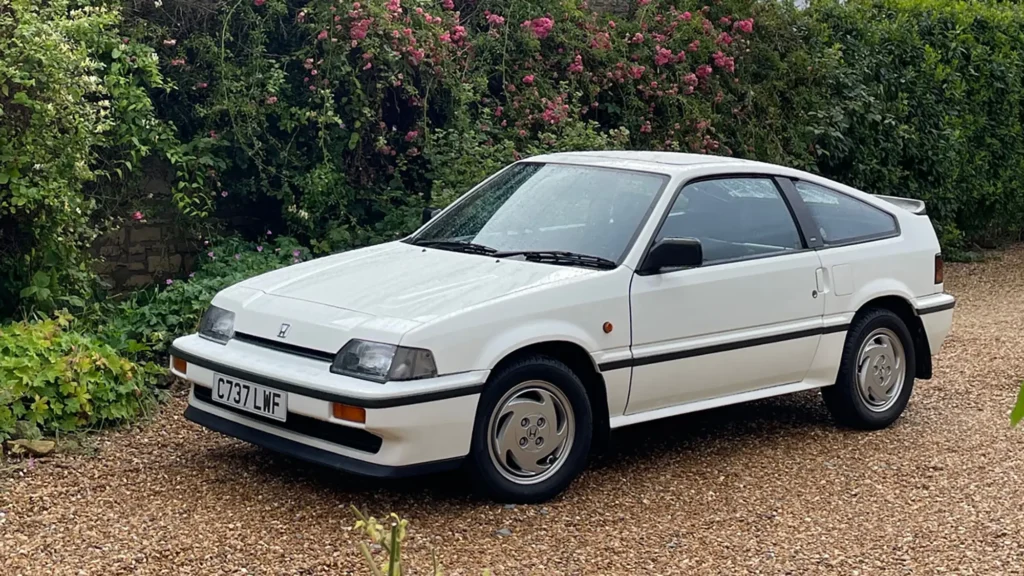
Just as Tesla is inefficient today, the muscle cars of the 70s and 80s were also inefficient as big block V8 engines failed to produce sufficient power due to increasing climate regulations. Thus, companies like Honda, Nissan, Toyota, Mazda, Subaru and others showed that the same performance could be achieved with a smaller engine and lighter weight which would ultimately help companies save cost due to less raw materials being used.
Today however, the Japanese Domestic Market seems to regress back to the drawing board. Between increasing number of unncessary big and bulky crossovers with the same small engines as their sedan variants, Japanese auto manufacturers have lost the plot and have therefore become increasingly obsolete compared to Chinese EVs.
The solution? Mazda has finally figured it out! According to Motor1.com, Mazda has promised to keep its upcoming car under the 2,200 lbs limit which is roughly around the 1000 kg mark. This coupled with the possible reveal of the power of the next Miata to be at least above 300 hp signals that Japan is finally returning to its fast, reliable and nimble roots.
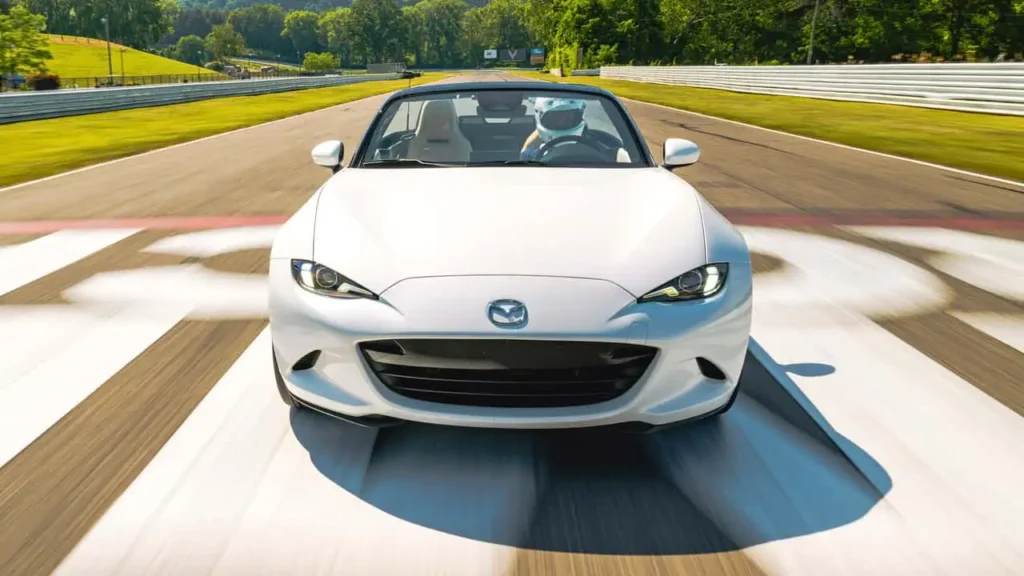
Previously, the Japanese Domestic Market had been suffering from an identity crisis. EVs and Hybrids made by Japanese auto manufacturers were significantly higher priced than China. Reliability was a common issue. The JDM also suffered from the ‘crossover’ epidemic and crossovers continue to remain one of the worst categories of cars. Big bulky cars with the same small engines and being the in-between of sedans and SUVs made car enthusiasts turn away from buying modern Japanese cars.
Now with Japan’s intention to stick to its roots and cater to car enthusiasts by denying to go electric and instead focus on being light, small and nimble could be a big game changer for the Japanese Domestic Market. Once other car companies such as Mitsubishi and Subaru follow suit and drop their SUVs and Crossover line-ups, Japan’s auto manufacturers will prosper greatly with increased brand loyalty, revenue and profitability generated from the return of car enthusiasts. This will help them greatly in becoming competitive against China.
Enjoying this analysis focused article? Read our previous article here.
